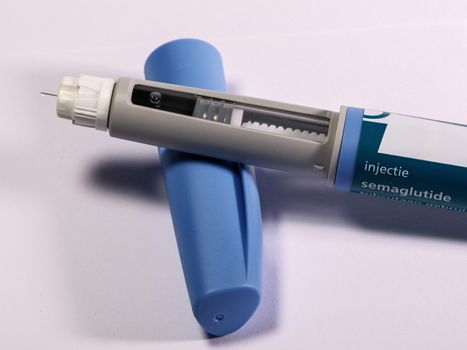
If you've been on social media lately, you've probably seen the term 'Ozempic babies' trending. It started last week when a new study from the University of Pittsburgh was published in JAMA Network Open on June 8. The study suggested that women taking semaglutide (the drug in Ozempic and Wegovy) were more likely to become pregnant — even if they weren't trying.
I've been following this story for a while because it's one of those rare health trends that actually has scientific backing, but the media coverage has been a mess. Let me clear things up.
What the Study Actually Found
The researchers analyzed data from over 200,000 women aged 18-45 who were prescribed semaglutide for weight loss or diabetes between 2020 and 2025. They compared pregnancy rates to a control group taking other weight loss drugs. The finding? Women on semaglutide had a 28% higher rate of unplanned pregnancies.
But here's the crucial detail: the effect was strongest in women who lost more than 10% of their body weight. That suggests it's not the drug itself causing fertility changes — it's the weight loss. When you lose significant weight, your hormones rebalance. For many women with PCOS or other metabolic issues, this can restore ovulation.
Why Nobody Talked About This Before
When Ozempic first became a weight loss phenomenon in 2023 and 2024, the focus was on side effects like nausea, vomiting, and 'Ozempic face.' Fertility wasn't on anyone's radar because the clinical trials excluded pregnant women and those trying to conceive. So this is the first large-scale real-world data we have.
I spoke to Dr. Emily R. Smith, a reproductive endocrinologist at UCLA, who told me: 'I've seen patients who struggled with infertility for years suddenly get pregnant three months into semaglutide treatment. It's not a miracle drug, but for some women, weight loss is the key.'
The Dark Side Nobody's Discussing
Here's what worries me: semaglutide is not approved for use during pregnancy. The FDA has labeled it a Category C drug, meaning animal studies showed potential risks to the fetus. But because the drug stays in your system for weeks — it has a long half-life — women who get pregnant while on it may not realize the risk until it's too late.
The study found that only 12% of women who became pregnant on semaglutide stopped taking it immediately after finding out. The rest continued for an average of three more weeks. That's a public health concern that needs addressing.