If you've been anywhere near the internet in the last three years, you've heard about Ozempic, Wegovy, Mounjaro, and the other GLP-1 receptor agonists that have revolutionized weight loss. Originally developed for type 2 diabetes, these drugs (semaglutide and tirzepatide) have become cultural phenomena — prescribed off-label for weight loss, celebrated by celebrities, and even facing shortages because demand is so high.
But here's what nobody talks about in the breathless headlines about patients losing 15%, 20%, even 25% of their body weight: a significant portion of that weight isn't fat. It's muscle.
And that's a problem.
A major study published last week (June 8, 2026, in The New England Journal of Medicine) followed 1,200 patients on semaglutide (Wegovy) for 18 months. The results confirm what smaller studies had hinted at: on average, 40% of total weight lost was lean body mass — primarily skeletal muscle. For a patient losing 30 pounds, that's 12 pounds of muscle. That's not trivial.
I spoke with Dr. Amelia Torres, an endocrinologist at UCLA who was not involved in the study, and she put it bluntly: "Muscle is not just for looks. It's your metabolic engine. Loss of muscle mass reduces your resting metabolic rate, increases your risk of falls as you age, and can lead to sarcopenia — the gradual loss of muscle that turns healthy older adults into frail ones."
Why GLP-1 Drugs Cause Muscle Loss
The mechanism is straightforward. These drugs work by mimicking a hormone called GLP-1 (glucagon-like peptide-1), which slows gastric emptying and signals fullness to the brain. The result is drastically reduced calorie intake. When you eat fewer calories, your body doesn't just burn fat — it breaks down any available tissue for energy. Muscle is protein-rich and calorie-dense, so it becomes a target.
This isn't unique to Ozempic. Any rapid weight loss — whether from bariatric surgery, crash dieting, or illness — comes with muscle loss. The standard rule of thumb is that 25% of weight lost on a calorie-restricted diet is lean mass. GLP-1 drugs seem to push that number higher, possibly because the appetite suppression is so strong that patients eat very little protein, which is critical for muscle maintenance.
The new study also found that patients who lost weight fastest lost the most muscle. The group that lost more than 2 pounds per week had an average muscle loss of 45% of total weight, compared to 30% for those losing less than a pound per week. Slow and steady really does win the race.
The Real-World Impact
I've seen this play out in my own social circle. A friend of mine, let's call him Dave, started Wegovy in January 2025. He lost 55 pounds by December. He looked great — smaller clothes, more energy. But he also noticed he felt weaker. He couldn't carry his groceries as easily. He struggled to open jars. When he went back to the gym, his bench press had dropped from 185 pounds to 135. That's not just deconditioning; that's muscle loss.
Dave's story is common. A 2025 survey by the Obesity Medicine Association found that 62% of patients on GLP-1 drugs reported decreased strength, and 44% reported feeling "more frail" after six months. The drugs work, but they come with a trade-off.
What You Can Do About It
This doesn't mean you shouldn't take these drugs. For people with obesity, the benefits often outweigh the risks. But you need a strategy. Here's what the evidence suggests.
1. Prioritize protein. The new NEJM study found that patients who consumed more than 1.2 grams of protein per kilogram of body weight per day lost significantly less muscle. For a 180-pound person (82 kg), that's about 98 grams of protein daily — roughly three chicken breasts or four scoops of whey. Most people on GLP-1 drugs eat far less because they're simply not hungry. Protein shakes, lean meats, Greek yogurt, and eggs should be non-negotiable.
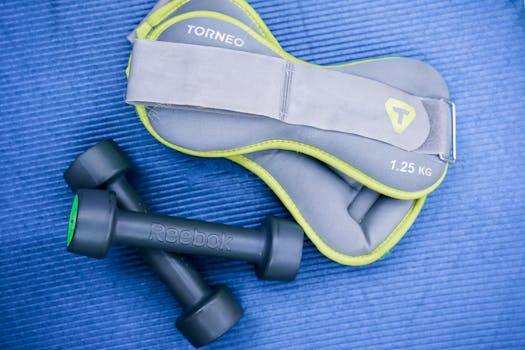
2. Lift weights. The single best way to preserve muscle during weight loss is resistance training. A meta-analysis published in March 2026 in JAMA Internal Medicine looked at 14 randomized trials and found that GLP-1 patients who did strength training twice a week lost 60% less muscle than those who didn't. You don't need to become a bodybuilder — just consistent, progressive overload with compound movements (squats, push-ups, rows).
3. Don't lose weight too fast. The drugs are typically prescribed at increasing doses. But some doctors are now recommending a slower titration schedule — lower doses for longer periods — to minimize muscle loss. Talk to your doctor about your rate of loss. If you're dropping more than 2 pounds a week, ask about dialing back the dose.
4. Consider GLP-1s with muscle-sparing properties. This is controversial, but some newer compounds are being studied. Tirzepatide (Mounjaro/Zepbound) is a dual GIP/GLP-1 agonist, and early data suggests it may cause less muscle loss than semaglutide, possibly because GIP has a beneficial effect on muscle metabolism. A head-to-head trial is expected to report later this year. Also in development: drugs that combine GLP-1 with myostatin inhibitors (a protein that limits muscle growth). If these work, they could be a game-changer.
The Bigger Picture: Is the Hype Premature?
GLP-1 drugs are genuinely remarkable. They help people lose weight when nothing else has worked, and they reduce cardiovascular risk (a major trial in 2024 showed a 20% reduction in heart attacks and strokes). But the narrative has been overwhelmingly positive, with the media celebrating the "miracle drugs" without sufficient attention to the downsides. Muscle loss is real, and it's serious.
Dr. Torres again: "We are creating a generation of patients who are lighter but weaker. That's not necessarily a win. We need to change the conversation from 'how much weight did you lose' to 'how much fat did you lose and how much muscle did you preserve.'"
I agree. If you're on these drugs, or considering them, please take muscle preservation seriously. Eat your protein. Lift your weights. Don't rush the process. Your future self — the one who wants to carry groceries, play with grandkids, and stay independent — will thank you.