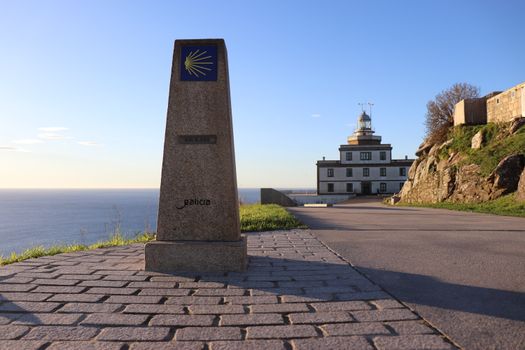
I've been dreaming of walking the Camino de Santiago for years. But every time I looked into it, I saw the same thing: photos of endless crowds on the French Way, people complaining about booking beds months in advance, and stories of pilgrims competing for the best hostels. That didn't sound like a spiritual journey to me—it sounded like a theme park.
Then I heard about the new Portuguese Coastal route. It officially opened in late 2025, and it's already getting buzz as the most beautiful Camino in Europe. I decided to go in April before the summer crowds hit. I walked from Porto, Portugal, to Santiago de Compostela in 12 days. And honestly? It changed my perspective on everything.
Why the French Way Has Lost Its Charm
Let me be clear: I'm not hating on the French Way. It's memorable for a reason. But in 2026, over 350,000 people are expected to walk it. That's 350,000 people on the same trail. The infrastructure is buckling. Hostels are booked solid. You end up walking in a line of pilgrims like it's a parade.
The Portuguese Coastal route, by contrast, saw only about 15,000 pilgrims last year. That number is growing fast, but right now, it's still a quiet alternative. You can get a bed at any albergue without a reservation. You can walk for hours without seeing another soul. And the scenery? It's spectacular.
The First Day: Porto to Matosinhos
I started in Porto, a city that's already worth a visit on its own. The first day is a short one—about 10 kilometers along the coast to Matosinhos. You walk past the colorful Ribeira district, cross the Douro River, and then hit the ocean.
Here's what nobody told me: the first few kilometers are on boardwalks and paved paths. It's easy walking, but also a bit urban. Don't let that fool you. By day two, you're on dirt paths through pine forests with the Atlantic on your left. The contrast is jarring in the best way.
I stayed at a small albergue in Matosinhos run by a retired couple named Maria and João. They fed me homemade caldo verde and told me stories about pilgrims from all over the world. 'We had a man from Japan last week who walked the whole way barefoot,' Maria said. 'He said it was the only way to feel connected to the earth.' I politely declined to try that.
The Coastal Stretch That Will Haunt You
Days three through six are the highlight of the entire route. You walk along the Portuguese coast, sometimes right on the beach, sometimes on cliffs overlooking the sea. The wind is constant. The salt spray hits your face. It's raw and beautiful.
One afternoon, I stopped at a tiny beach near Vila do Conde. There was a fisherman mending his nets. He didn't speak English, and my Portuguese is terrible, but he smiled and offered me a piece of bread with sardines. I sat there for an hour, watching the waves, not thinking about anything. That's the Camino I wanted.
The path is well-marked with yellow arrows and scallop shells, but you'll want a good map. The official app from the Portuguese tourism board is actually useful—it shows water fountains, albergues, and even which cafes have vegetarian options. I relied on it heavily.