📱 Tech

I Tried the New ChatGPT Voice Mode for a Week—Here’s Where It Shocks You

I Tried the New ChatGPT Voice Mode for a Week—Here’s Where It Shocks You

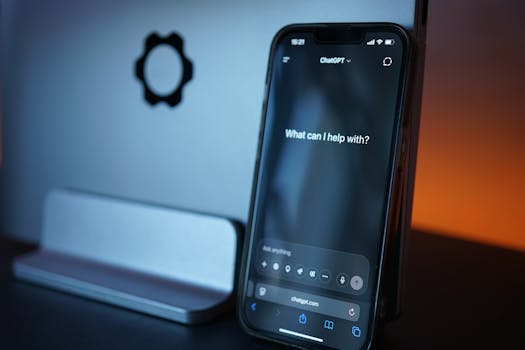
Last Tuesday, OpenAI quietly rolled out its new advanced voice mode to free-tier users. I’ve been testing it since April when it first appeared for paid subscribers, but this week, something clicked for me. I decided to use it for literally everything—directions, cooking advice, brainstorming, even as a therapy stand-in when my cat threw up at 3 AM.

Let me tell you: it’s weird. Really weird. But also, kind of amazing?

The first thing that got me was the latency. Remember the old voice mode where you’d say something and wait 3–5 seconds for a robotic reply? This new version responds almost instantly. Like, you can interrupt it mid-sentence and it’ll stop and adjust. That’s a bigger deal than it sounds. It makes conversations feel... human.

I asked it to help me plan a road trip from Portland to Moab. It remembered I hate loud music in the car (I’d mentioned that earlier) and suggested podcasts, not playlists. It knew I was vegetarian without me repeating it. This is the sort of memory that feels either like a godsend or a privacy nightmare, depending on your mood.

But here’s the thing nobody’s talking about: it’s still bad at understanding context when you mumble. I have a slight accent (I’m from Chicago, so we say “bag” weird), and it misheard me four times in one conversation. “Bagels” became “beagles.” “Route 66” became “root 66.” Funny, but frustrating when you’re actually trying to get work done.

Still, I’m not exaggerating when I say this is the biggest leap in consumer AI since ChatGPT first launched. The voice is warm—they use a voice called “Breeze” in the US, and it’s got these little breathing pauses and inflections that make it feel real. Too real, actually. I caught myself saying “please” and “thank you” to it. Out loud. In public.

Sam Altman posted on X last week that voice mode usage has doubled since the free rollout. I believe it. The convenience factor is insane. I used it to write this article’s outline while driving (don’t tell my editor). I used it to calm my niece down when she was upset about a bad grade. It gave her a little pep talk about how Einstein failed math. Corny, but it worked.

What I’m most curious about is where this goes next. OpenAI is reportedly testing real-time translation and even emotional tone detection. If you think voice mode is wild now, wait until it can tell you’re sad just from your voice and adjusts its responses. That’s either the future of mental health support or a Black Mirror episode waiting to happen.

For now, I’ll say this: try it. It’s free. Talk to it about your day. Ask it to tell you a story. It’ll probably surprise you. Just don’t expect it to understand your accent perfectly. We’re not there yet.

TR
David Kim

We spend hours researching and testing before we write anything. If something changes, we update the article. About our process →