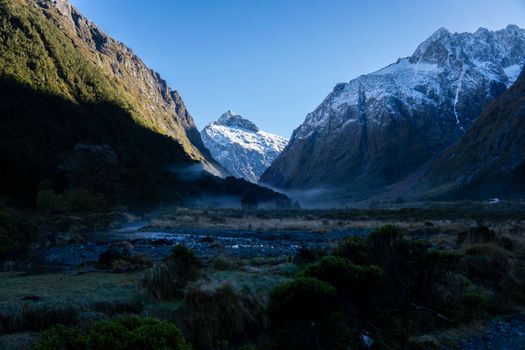
I’ve been dreaming of hiking New Zealand’s Routeburn Track for years. It’s one of the country’s Great Walks, a 32-kilometer trail through the Southern Alps that connects Fiordland and Mount Aspiring National Parks. The photos are stunning—emerald lakes, snow-capped peaks, ancient beech forests. So when I finally booked my permit for early June (winter in NZ), I was prepared for cold weather, rain, and possibly snow. I was not prepared for the sandflies.
Let me explain. The Routeburn is in a temperate rainforest, and sandflies thrive in damp, cool conditions. They’re like mosquitoes, but smaller, quieter, and more aggressive. They bite in swarms. No amount of DEET fully stops them. I tried three different repellents—Picaridin, DEET 30%, and a local brand called “Goodbye Sandfly”—and nothing worked. They bit through my socks. They bit through my hat. I looked like a teenager with acne for a week after.
But the hike itself? Absolutely worth it. The first day from the Routeburn Shelter to Routeburn Falls Hut (about 8 km, 500 meters elevation gain) is a gentle introduction. You walk through silver beech forest, cross swing bridges over turquoise rivers, and end at a hut perched on a cliff with views of the Humboldt Mountains. The hut is basic—bunk beds, a wood stove, and a long-drop toilet—but it’s cozy. There’s no cell service, no electricity, no Wi-Fi.
Day two is the big one: from Routeburn Falls to Lake Mackenzie Hut, about 12 km with a 600-meter climb over Harris Saddle. This is where the alpine views open up. I saw a kea—that mischievous alpine parrot—steal a hiker’s sandwich. The bird is protected, so you can’t do anything but watch it eat your lunch. The ranger told me they’ve learned to unzip backpacks. Clever little jerks.