When Peru's Ministry of Culture announced in April that they were opening a new section of the Inca Trail to Machu Picchu, I booked my flight within hours. The original trail has been overcrowded for years—permits sell out months in advance, and the path is often clogged with hikers. The new route, called the Salkantay-Inca Hybrid Trail, was supposed to be different. It opened on May 1, and I arrived in Cusco on June 2 to hike it.
Now I'm back, and I have some thoughts. Some good, some uncomfortable, and a few things that I wish someone had told me before I left.
Why Peru Opened a New Route
The original Inca Trail has been a victim of its own success. In 2023, over 150,000 people hiked it, and the trail was showing serious wear—erosion, litter, damage to ancient ruins. The government responded by limiting permits to 500 people per day (down from 1,000 in 2019), but that just made it harder to get a spot. The new trail, which covers 45 miles over four days, is designed to relieve pressure on the classic route while offering a different experience.
And it is different. For starters, the new trail goes through the Salkantay Pass (elevation: 15,200 feet), which is 2,000 feet higher than Dead Woman's Pass on the classic trail. That means more snow-capped views, more alpine lakes, and a lot more gasping for air. But it also means you're hiking through landscapes that feel untouched—no souvenir stalls, no other tour groups, just you and the mountains.
The Good: Solitude and Spectacle
On day two of the hike, I was walking through a valley dotted with wild llamas and ancient terraces when I realized I hadn't seen another person in three hours. On the classic Inca Trail, you're lucky if you go three minutes without passing someone. The new route limits permits to 100 per day, and the result is a genuinely remote experience.
The scenery is also more dramatic. The classic trail is beautiful, but it's mostly cloud forest and stone steps. The new trail traverses the base of Mount Salkantay, a massive peak that looms over you for the entire second day. At sunrise, the snow on the summit turns pink. I sat on a rock and watched it for 20 minutes. No phone signal. No distractions. Just the sound of wind and ice cracking.
The Bad: It's Brutally Hard
Let me be honest: this hike is harder than the classic trail. The altitude is higher, the terrain is more technical (lots of scree and loose rock), and the camping conditions are rougher. On night two, the temperature dropped to 28°F. My sleeping bag, which was rated for 30°F, wasn't enough. I woke up shivering at 3 AM and spent the next two hours doing jumping jacks in my tent.
The porters (who are incredible, by the way) told me that the new trail is 'for experienced hikers only.' I'd consider myself a solid intermediate—I've done Kilimanjaro and the Tour du Mont Blanc—and I found it challenging. If you've never done a multi-day hike before, I'd recommend starting with the classic trail or a lower-altitude trek.
The Ugly: The Porters' Conditions
Here's something nobody talks about. The porters on the new trail are paid better than those on the classic trail (the government mandates a minimum wage of $25 per day, up from $15), but their working conditions are still rough. They carry up to 45 pounds of gear, hike faster than you, and sleep in tents that are often inadequate for the cold. I watched a porter, a man in his 50s, carry a full propane tank up a steep incline. He didn't complain. He just kept walking.
The agency I booked with, Llama Path, has a good reputation for porter treatment, but I still felt guilty. If you do this hike, bring extra cash to tip the porters. They earn it.
The Arrival: Machu Picchu Without the Crowds
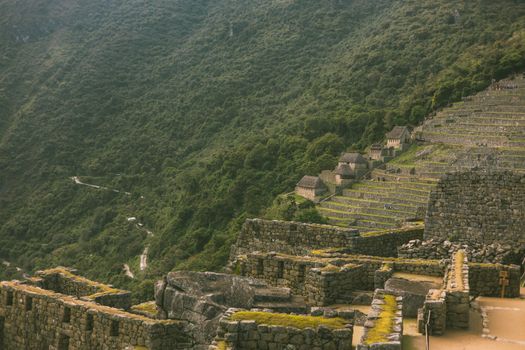
The new trail ends at a different entrance to Machu Picchu than the classic route—the Sun Gate is the same, but you enter through the lower agricultural sector instead of the main gate. The result is that you arrive at Machu Picchu at 6 AM, before the busloads of tourists from Cusco show up. I had the entire site to myself for about 45 minutes. I sat on a terrace, watched the mist lift off the peaks, and tried to process what I was seeing. It was one of the best moments of my life.
By 9 AM, the crowds had arrived, but I was already heading back down. If you want to experience Machu Picchu without the chaos, this is the way to do it.
What You Need to Know Before You Go
- Book early. Permits for the new trail are limited to 100 per day, and they're selling out. I booked three months in advance and got the last spot for June 5.
- Acclimatize properly. Spend at least two days in Cusco (11,200 feet) before starting the hike. The altitude on day two is no joke.
- Pack for cold. Nights can drop below freezing, even in the dry season (May-September). Bring a sleeping bag rated for 20°F or lower.
- Tip generously. The porters are the backbone of this experience. Plan to tip $50-100 total for the group.
- Expect no amenities. Unlike the classic trail, there are no lodges or hot showers on the new route. You'll be camping the entire time. Embrace it.
Final Thoughts
I'm glad I hiked the new Inca Trail. It was harder than I expected, colder than I anticipated, and more beautiful than I could have imagined. If you're an experienced hiker looking for solitude and spectacle, it's the best way to reach Machu Picchu. If you're a beginner, stick with the classic route—or at least train hard before attempting this one.
Either way, go to Peru. It's worth it.