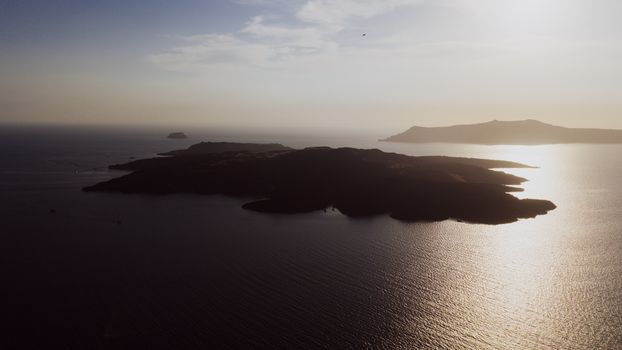
I have a problem. I'm addicted to visiting places that the internet has already ruined. I went to Positano in 2022 (shoulder-to-shoulder crowds, overpriced limoncello). I went to Reykjavik in 2023 (the Blue Lagoon was packed like a public swimming pool). And this year, I decided to tackle two of the most Instagrammed destinations on the planet: Bali, Indonesia, and Santorini, Greece. My mission was simple: spend a week in each, see which one was actually worth the hype, and come back with a verdict. I went to Bali in late April and Santorini in mid-May of 2026. Both trips were expensive, both were frustrating, and both had moments of genuine magic. But only one of them gets my recommendation. Let me break it down.
First, let's talk about the elephant in the room: overtourism. Both Bali and Santorini are drowning in visitors. Bali saw over 6 million international tourists in 2025, and Santorini wasn't far behind with about 3.5 million. That's a lot of people for small islands. If you're looking for a quiet, untouched paradise, neither of these places is for you. But if you're willing to deal with crowds in exchange for memorable beauty, you need to know which one handles it better. I went in with low expectations and was still surprised by what I found.
Bali: The Island of Gods (and Traffic Jams)
I landed in Denpasar on a Tuesday afternoon. The airport was chaotic but efficient. I had pre-booked a driver through a local company called GoBali, and I'm glad I did because the taxi situation at the airport is a nightmare. My driver, a man named Wayan, was wonderful. He told me about his family, his village, and the best places to eat. The drive from the airport to my villa in Ubud took two hours. It should have taken 40 minutes. The traffic in Bali is apocalyptic. Scooters weave between cars, trucks block narrow roads, and everyone seems to be honking for no reason. If you're not used to this kind of chaos, it can be overwhelming. I've traveled in Southeast Asia before, so I was prepared, but it was still stressful.
Once I arrived in Ubud, I felt a sense of relief. The town is beautiful, with lush rice terraces, ancient temples, and a very chill vibe. I stayed at a small hotel called "Bambu Indah" (highly recommended, if you can afford it). The room was a beautiful bamboo structure overlooking a river. The first morning, I woke up to the sound of birds and the smell of frangipani. It was magical. But then I left the hotel. Ubud's main street, Monkey Forest Road, is a zoo. Tourists spill out of cafes, shops blast techno music, and you can't walk three feet without someone offering you a "spiritual cleansing" or a "custom yoga mat." It's exhausting. I found a few quiet spots—the Campuhan Ridge Walk at sunrise, a small café called Seniman Coffee Studio—but they were the exceptions. Most of Ubud felt like a theme park version of itself.
The food in Bali is incredible, though. I had the best nasi goreng of my life at a warung called Ibu Oka (famous for its suckling pig, but the nasi goreng is the real star). The smoothie bowls are overpriced but delicious. And the coffee—Bali has some of the best coffee in the world, and I'm not just saying that because I'm a caffeine addict. I visited a small coffee plantation near Kintamani and learned about the process. It was a highlight of the trip. But overall, Bali felt like a place that has been loved to death. The beaches in the south (Kuta, Seminyak) are crowded and dirty. The temples are beautiful but packed with influencers doing yoga poses. The spiritual vibe that everyone talks about is there, but you have to work hard to find it.
Santorini: The Beautiful Postcard That's Also a Little Sad
After Bali, I flew to Santorini. The contrast was immediate. Santorini is clean, organized, and breathtakingly beautiful. The whitewashed buildings, blue domes, and caldera views are exactly as pictured. I stayed in a cave hotel in Oia, the town famous for its sunsets. The hotel was called "Andronis Boutique Hotel" and it was stunning. My room had a private plunge pool overlooking the caldera. The service was impeccable. I felt like a VIP. But here's the thing: Santorini is a one-trick pony. The entire island is built around the view. And once you've seen the view, you've seen everything. There are no rice terraces to explore, no ancient forests to hike, no hidden waterfalls. There's just the caldera, the blue domes, and a lot of expensive restaurants.